
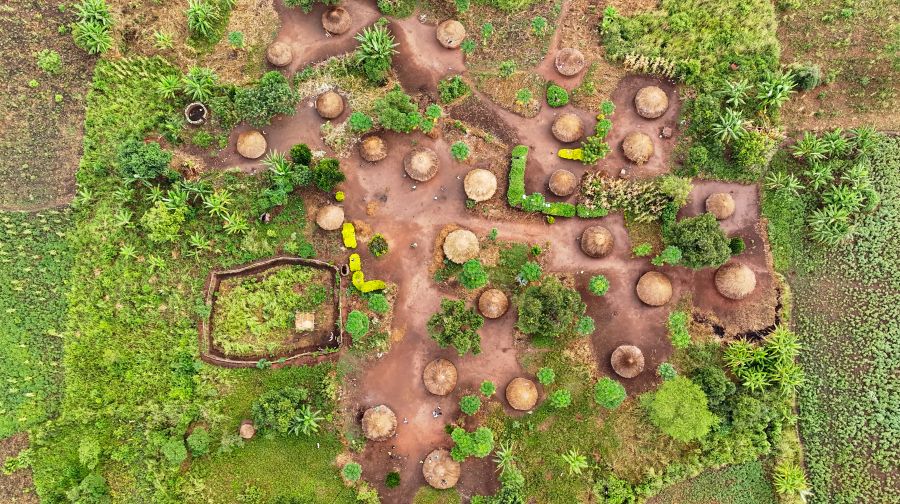
Adjumani District has emerged as the top performer under the Investing in Forests and Protected Areas for Climate-Smart Development (IFPA-CD) Woodlots Programme after exceeding its five-year tree-planting target and strengthening efforts to expand commercial forestry in refugee-hosting communities.
Implemented by the Government of Uganda through the Ministry of Water and Environment with support from the World Bank, the programme was designed to promote sustainable forest management, increase tree cover and create economic opportunities for communities living around refugee settlements.
Project records indicate that Adjumani had been assigned a target of establishing 368 hectares of woodlots over the five-year implementation period. However, the district surpassed expectations by establishing 544 hectares, making it the best-performing district among those covered by the programme.
Other districts also recorded significant achievements. Amuru established 482 hectares against a target of 412 hectares, while Moyo planted 219 hectares against a target of 184 hectares. Lamwo achieved 291 hectares against a target of 255 hectares, while Obongi nearly doubled its target of 93 hectares by establishing 160 hectares.
The achievements were registered despite delays caused by the COVID-19 pandemic and challenges associated with mobilising implementing partners. The programme, initially planned as a five-year initiative beginning in 2020, had to operate within a shorter implementation period after delays affected its rollout.
Denis Emmanuel Oweka, Regional Coordinator for the IFPA-CD Project in the West Nile North-East region, said the programme was aimed at helping refugee-hosting communities benefit economically from commercial tree growing while supporting environmental conservation.
“The objective of the project is to supply timber, poles and firewood to refugee-hosting areas while also increasing tree cover and contributing to climate change mitigation,” Oweka said.
He explained that the high demand for forest products in refugee settlements provides communities with an opportunity to develop sustainable income sources.
“We are looking at tree growing as a business. Communities living near refugee settlements have an opportunity to supply timber, poles and firewood directly to the camps, creating an additional source of income for households,” he added.
The programme was implemented through a consortium comprising NIRAS, Environmental Conservation Trust of Uganda (ECOTRUST), Havilah Company Limited and Green Life International.
ECOTRUST led community mobilisation, farmer engagement and training, helping beneficiaries understand commercial forestry as a long-term investment rather than simply an environmental activity.
Through the programme, farmers received training in land preparation, proper spacing, pitting, weed control and pest management to improve the survival and productivity of their plantations.
The project also introduced farmers to the “Vision Road Journey” approach, which encourages communities to plan for future benefits from their woodlots and manage tree growing as a business venture.
Farmers planted fast-growing clonal eucalyptus varieties, which can mature within three to five years, allowing households to generate quicker returns.
They also planted Tectona grandis (Sudanese teak), a high-value timber species that can mature within eight to 15 years under proper management.
Beyond economic benefits, the woodlots are expected to contribute to climate change mitigation through carbon sequestration, improved air quality and enhanced environmental resilience.
The success recorded in Adjumani and other participating districts highlights the growing acceptance of commercial forestry as a livelihood strategy among communities affected by pressure on natural resources.
As the IFPA-CD Woodlots Programme closes, stakeholders say the established plantations provide a foundation for continued investment in sustainable forestry, income generation and restoration of degraded landscapes.
